
MICONNECT L1 -LESSON 2 – What is MiConnect?
What is MiConnect?
What it is
An IP-based alerting and automation ecosystem that combines audio, visual displays, relays, sensors, SMS/GSM, and integrations into one modular platform.
Each Gateway/Node is self-hosted with storage, APIs, and browser access.
📌 Note: scheduling still requires TOA RM/PG hardware — MiSolutions’ own scheduler is in development.
What it can do
-
Play audio (bells, tones, announcements, music).
-
Trigger visual alerts (signs, strobes).
-
Activate safety systems (sirens, relays, duress).
-
Monitor sensors (UPS, vape, CCTV, security).
-
Send/receive SMS (via GSM).
-
Integrate with APIs & webhooks.
What sets it apart
-
No central server required.
-
Resilient distributed design.
-
High-quality pro audio playback.
-
Easy browser-based control.
-
Roadmap for future scheduler integration.
Why we developed it
Traditional systems are rigid, vendor-locked, or voice-only. MiConnect was designed to fill the gaps and create a scalable, integrated platform.
MiConnect Gateway & Node Specifications
1. What they are
-
Gateway → The “brain” of a MiConnect system, designed with extra storage and horsepower to act as the main integration point.
-
Node → A distributed “satellite” unit, containing almost everything the Gateway has, but lighter on storage (no NVMe drive).
Both are self-hosted, IP-based devices built on a Linux architecture, with durable hardware designed for continuous operation in real-world environments.
2. Specifications
🔹 Gateway (Full Feature Set)
-
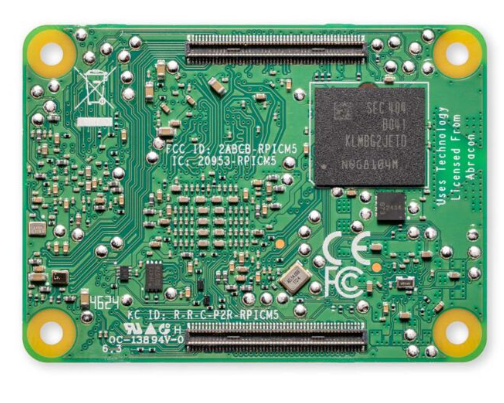
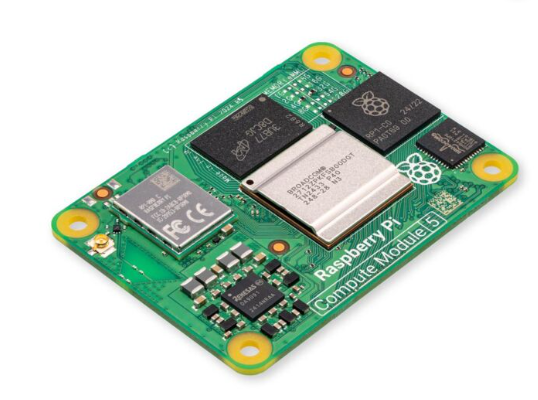
Processor: Latest-generation Broadcom chip (high-performance ARM core).
-
Memory: 8 GB RAM.
-
Storage:
-
32 GB eMMC (OS & configs).
-
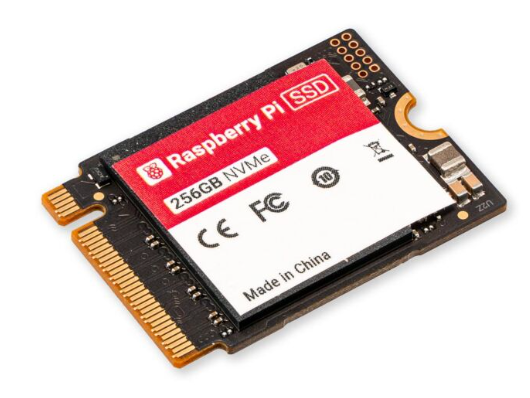
256 GB NVMe SSD (local audio, logs, integrations, caching).
-
-
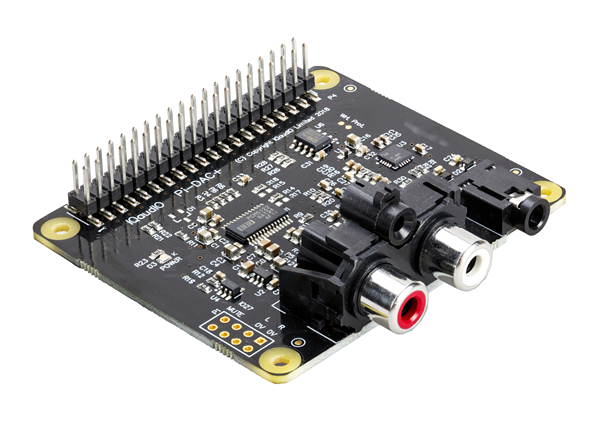
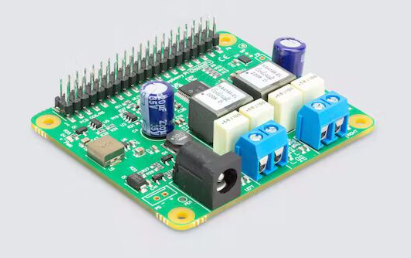
Audio: Pro Audio HAT:
-
Passive mode → line out.
-
Active mode → 2 × 35 W RMS @ 4/8 Ω speaker outputs.
-
-
Networking:
-
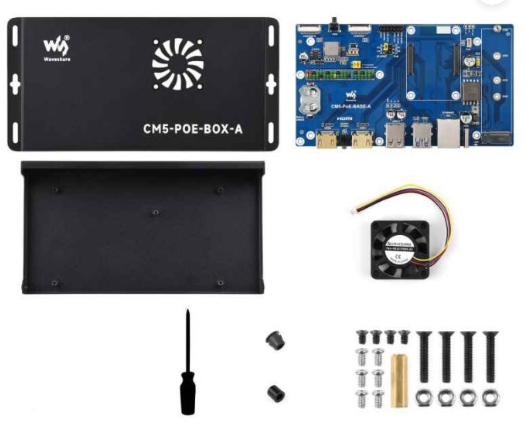
Gigabit Ethernet (PoE-enabled).
-
Wi-Fi on selected models.
-
-
System features:
-
RTC (Real-Time Clock).
-
USB ports for expansion, cloning, peripherals.
-
Durable steel casing with cooling fans for heat management.
-
-
OS: Hardened Linux.
🔹 Node (Lightweight Version)
-
Processor: Same Broadcom chip architecture as Gateway.
-
Memory: 8 GB RAM.
-
Storage:
-
32 GB eMMC (OS & configs).
-
❌ No NVMe SSD (relies on eMMC only).
-
-
Audio: Pro Audio HAT:
-
Passive mode → line out.
-
Active mode → 2 × 35 W RMS @ 4/8 Ω.
-
-
Networking:
-
Gigabit Ethernet (PoE-enabled).
-
Wi-Fi on selected models.
-
-
System features:
-
RTC (Real-Time Clock).
-
USB ports.
-
Steel casing with cooling fans.
-
-
OS: Hardened Linux.
3. What sets them apart
-
Gateway has 256 GB NVMe storage → for heavy audio libraries, logs, or extended integrations.
-
Node is slimmer, no NVMe → cost-effective for edge deployment where local storage needs are smaller.
4. Why we built them this way
-
Traditional paging/PA controllers are closed, vendor-locked boxes with limited expandability.
-
We wanted modern computing power in a durable, field-ready format — so schools and enterprises can deploy a unit that’s as powerful as a mini-server but with the reliability of an appliance.
-
The Gateway vs Node split allows for flexibility:
-
Gateways act as core hubs.
-
Nodes provide distributed coverage at a lower cost.
-
5. Metaphor
👉 Think of the Gateway as a head office with a warehouse.
-
It has plenty of storage space (NVMe) to hold documents, files, and backups.
-
It does the heavy lifting for the organisation.
👉 The Node is like a branch office.
-
It has the same staff (CPU, RAM, audio, network) and can handle daily operations.
-
But it doesn’t have the big warehouse — it depends on head office or the network for bulk storage.